


 Free Newsletter


ÌýÌýÌýÌýÌýÌý
Although COVID-19 has shut down much of public life, Oregon’s construction industry will keep working.Ìý
An executive order means much of Oregon’s construction industry is considered essential during the crisis. That designation means most contractors will keep working for the foreseeable future. Employers, however, must still take steps to prevent the spread of the virus at work.Ìý
READ MORE: Oregon stay-at-home order excludes construction
Industry safety officials recommend keeping employees at least six feet apart during work, sanitizing equipment and shared spaces, screening workers for COVID-19 symptoms and taking other steps to prevent the spread of the virus.Ìý
This pandemic has created a prime opportunity for scammers to exploit fear and uncertainty for their own financial gain. Whether it’s untrustworthy sources or misleading product claims, our team put together a resource explaining what types of scams to look out for and how to keep your finances and data safe. READ MORE:
Latest 91ÊÓƵ Headlines
- Vaccination clinics set for construction workers
- Oregon extends COVID workplace mask rule indefinitely
- City staffers working to reduce pile of permits
- Persevering to change a workforce’s face
- Firms working to ensure financial, personal health
- With coronavirus vaccine approved, questions arise
- What’s allowed in Oregon’s new COVID-19 risk tier framework
- COVID-19 outbreak at employment department slows operations
- Governor extends Oregon’s state of emergency due to COVID-19
- And now for something quite a bit different
Industry Resources
The Associated General Contractors’ Oregon-Columbia Chapter offers a number of , including lists of best practices, job site posters and banners, and guidance for social distancing officers. It also maintains a list of other topic- and location-specific and related to the pandemic.
The Oregon Home Builders Association has compiled a with links to multiple health and safety resources.
AIA Oregon maintains a for architects, including best practices, business support, and legal issues.
HFO Investment Real Estate has an for multifamily owners and investors in Oregon and Washington.
Miller Nash offers on COVID-19 issues pertaining to the CARES Act, construction, real estate, taxes and other topics.
Schwabe, Williamson & Wyatt offers a host of navigating the $2.2 trillion CARES Act stimulus package.
The Oregon Bankers Association offers a , and a list of institutions currently able to provide Small Business Administration loans can be found starting on page 30 of its 2019 Small Business Resource Guide.
Greater Portland Inc. has a in both Oregon and Washington, including city, county, and region-specific information.
Stoel Rives LLP has aÌýÌýthat includes resources and tools as well as anÌýÌýdesigned toÌýprovide an accessible, high-level view of the various executive orders and restrictions on businesses in select states, and the impacts on construction activities.
State and Local Resources

The Oregon Occupational Safety and Health Administration offers guidance and resources for workers, contractors and other employers. Pages in both and in are being updated regularly.
The Oregon Construction Contractors Board is temporarily allowing contractors to of their licenses through June 30, 2020. It has also compiled a for contractors.
The state Division of Financial Regulation has and more information related to health and business insurance, as well as and professionals.
Business Oregon for those looking for assistance in the event of local, regional, or statewide economic impacts. Resources include business planning, counseling, financial assistance and tax relief options.
The Portland Business Alliance of local, state and federal business and public health resources.
SAIF has established a to help businesses pay for expenses tied to making workplaces safer and responding to the impact the pandemic on workers.
The city of Portland and Multnomah County are allowing businesses owing income tax for the 2019 tax year to from April 15 to July 15, 2020. No penalties or interest will accrue until July 16.
Prosper Portland is offering . Applications are open on Wednesday, April 8. Up to $50,000 in zero-interest loans will be available for Portland businesses with $5 million or less in annual gross revenue.
Federal Resources
 President Donald Trump on March 27 signed the CARES Act, a roughly $2 trillion relief package that includes billions for state and local governments, businesses and cash for direct stimulus checks of at least $1,200 for most Americans.Ìý
Some key policies in the bill include boosting unemployment insurance by up to $600 a week for those receiving the benefit, a variety of tax breaks and tax credits and cash for state and local governments. Wisconsin could get about $2.2 billion according to the Legislative Fiscal Bureau.Ìý
The United States Senate Committee on Small Business & Entrepreneurship offers a for small businesses. The Department of Treasury also offers a page of CARES Act for business owners.
READ MORE: Stimulus bill proposes $299B for small business interruption loans
About a week earlier, Trump signed the Families First Coronavirus Response Act, which requires employers to give their workers 12 weeks of paid leave. The U.S. Department of Labor has published a number of briefings about the new paid-leave rule, including a for employees, and a ±è²¹²µ±ð.Ìý
The agency also maintains about the spread of the virus.Ìý
The U.S. Small Business Administration runs and other efforts to help companies through the economic slowdown brought about by the outbreak.Ìý
READ MORE:ÌýRelief arriving for some small businesses
The Occupational Safety and Health Administration has also for preparing workplaces to prevent the spread of the virus. OSHA may consider COVID-19 a reportable incident in some circumstances, particularly if an employee catches the illness at work.Ìý
The Centers for Disease Control also maintains the about the spread of the virus and steps that can be taken to prevent it.ÌýÌý
The Department of Homeland Security on identifying essential infrastructure sectors, workers and functions.
Ìý(report from Best Accounting Software)
Message from the CDC
Know How it Spreads
Know How it Spreads
Know How it Spreads

- There is currently no vaccine to prevent coronavirus disease 2019 (COVID-19).
- The best way to prevent illness is to avoid being exposed to this virus.
- The virus is thought to spread mainly from person-to-person.
- Between people who are in close contact with one another (within about 6 feet).
- Through respiratory droplets produced when an infected person coughs or sneezes.
- These droplets can land in the mouths or noses of people who are nearby or possibly be inhaled into the lungs.
Take steps to protect yourself
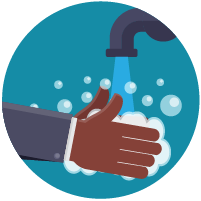
Clean your hands often
- Wash your handsÌýoften with soap and water for at least 20 seconds especially after you have been in a public place, or after blowing your nose, coughing, or sneezing.
- If soap and water are not readily available,Ìýuse a hand sanitizer that contains at least 60% alcohol. Cover all surfaces of your hands and rub them together until they feel dry.
- Avoid touchingÌýyour eyes, nose, and mouthÌýwith unwashed hands.
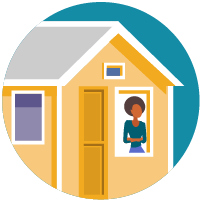
Avoid close contact
- Avoid close contactÌýwith people who are sick
- PutÌýdistance between yourself and otherÌýpeopleÌýif COVID-19 is spreading in your community. This is especially important forÌý.
Take steps to protect others
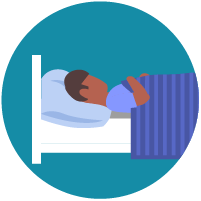
Stay home if you’re sick
- Stay homeÌýif you are sick, except to get medical care. LearnÌý.
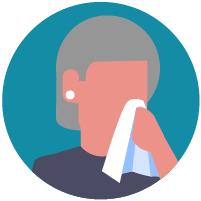
Cover coughs and sneezes
- Cover your mouth and noseÌýwith a tissue when you cough or sneeze or use the inside of your elbow.
- Throw used tissuesÌýin the trash.
- ImmediatelyÌýwash your handsÌýwith soap and water for at least 20 seconds. If soap and water are not readily available, clean your hands with a hand sanitizer that contains at least 60% alcohol.
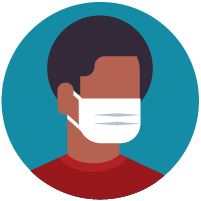
Wear a facemask if you are sick
- If you are sick:ÌýYou should wear a facemask when you are around other people (e.g., sharing a room or vehicle) and before you enter a healthcare provider’s office. If you are not able to wear a facemask (for example, because it causes trouble breathing), then you should do your best to cover your coughs and sneezes, and people who are caring for you should wear a facemask if they enter your room.Ìý
- If you are NOT sick:ÌýYou do not need to wear a facemask unless you are caring for someone who is sick (and they are not able to wear a facemask). Facemasks may be in short supply and they should be saved for caregivers.
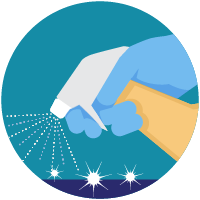
Clean and disinfect
- Clean AND disinfectÌýÌýdaily. This includes tables, doorknobs, light switches, countertops, handles, desks, phones, keyboards, toilets, faucets, and sinks.
- If surfaces are dirty, clean them:ÌýUse detergent or soap and water prior to disinfection.
Take steps to protect yourself
Take steps to protect yourself
Take steps to protect yourself
Clean your hands often
- Wash your handsÌýoften with soap and water for at least 20 seconds especially after you have been in a public place, or after blowing your nose, coughing, or sneezing.
- If soap and water are not readily available,Ìýuse a hand sanitizer that contains at least 60% alcohol. Cover all surfaces of your hands and rub them together until they feel dry.
- Avoid touchingÌýyour eyes, nose, and mouthÌýwith unwashed hands.
Avoid close contact
- Avoid close contactÌýwith people who are sick
- PutÌýdistance between yourself and otherÌýpeopleÌýif COVID-19 is spreading in your community. This is especially important forÌý.
Take steps to protect others
Take steps to protect others
Take steps to protect others
Stay home if you’re sick
- Stay homeÌýif you are sick, except to get medical care. LearnÌý.
Cover coughs and sneezes
- Cover your mouth and noseÌýwith a tissue when you cough or sneeze or use the inside of your elbow.
- Throw used tissuesÌýin the trash.
- ImmediatelyÌýwash your handsÌýwith soap and water for at least 20 seconds. If soap and water are not readily available, clean your hands with a hand sanitizer that contains at least 60% alcohol.
Wear a facemask if you are sick
- If you are sick:ÌýYou should wear a facemask when you are around other people (e.g., sharing a room or vehicle) and before you enter a healthcare provider’s office. If you are not able to wear a facemask (for example, because it causes trouble breathing), then you should do your best to cover your coughs and sneezes, and people who are caring for you should wear a facemask if they enter your room.Ìý
- If you are NOT sick:ÌýYou do not need to wear a facemask unless you are caring for someone who is sick (and they are not able to wear a facemask). Facemasks may be in short supply and they should be saved for caregivers.
Clean and disinfect
- Clean AND disinfectÌýÌýdaily. This includes tables, doorknobs, light switches, countertops, handles, desks, phones, keyboards, toilets, faucets, and sinks.
- If surfaces are dirty, clean them:ÌýUse detergent or soap and water prior to disinfection.
ÌýÌýÌýÌýÌýÌý


